-
 In Stock
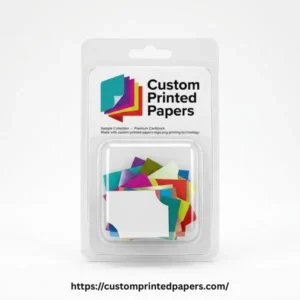
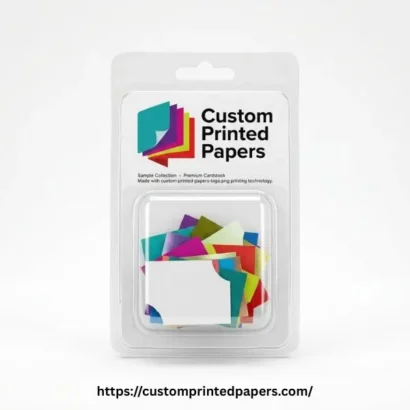
Blister Lidding Paper
A blister pack only works if the card behind it bonds to...Price range: $0.07 through $0.15 Request a Quote This product has multiple variants. The options may be chosen on the product page -
In Stock
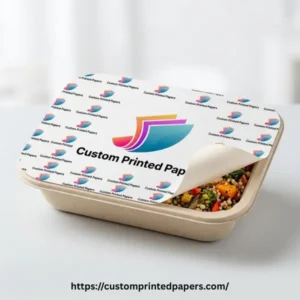
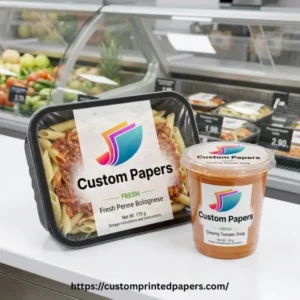
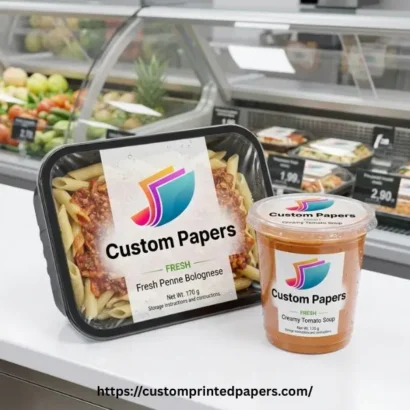
Food Tray & Cup Lidding Paper
Walk down any chilled aisle and almost everything is sealed with lidding:...Price range: $0.08 through $0.15 Request a Quote This product has multiple variants. The options may be chosen on the product page -
In Stock
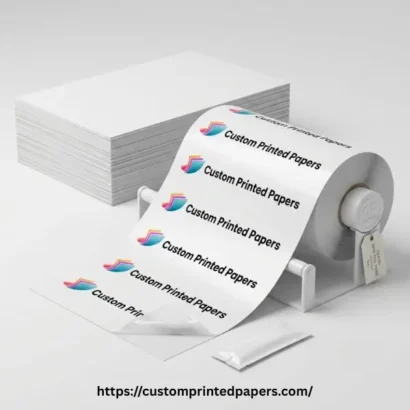
Heat Seal Rolls & Sheets
However good the coating, heat seal paper only performs if it arrives...Request a Quote -
In Stock
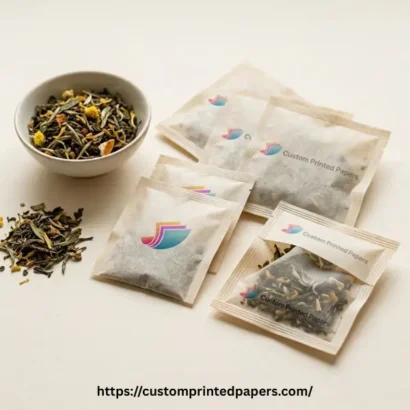
Heat Seal Tea Bag & Sachet Paper
Tea bag paper is a quiet feat of engineering. It has to...Request a Quote -
In Stock
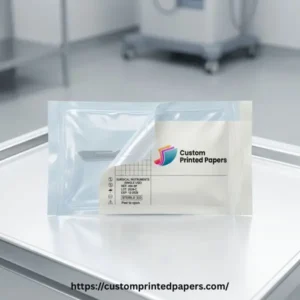
Medical & Sterile Heat Seal Paper
Medical sterile packaging has to do something that sounds contradictory: let sterilising...Price range: $0.09 through $0.15 Request a Quote This product has multiple variants. The options may be chosen on the product page -
In Stock
Peelable Lidding Paper
The best food lid does two opposite things at once: it seals...Price range: $0.07 through $0.15 Request a Quote This product has multiple variants. The options may be chosen on the product page
Custom Heat Seal Paper — Coated, Sealable Lidding & Pouch Paper, Printed With Your Logo
Heat seal paper does a job no ordinary paper can: it bonds to itself or to another surface with nothing but heat and pressure, no glue, no tape, no separate adhesive step. That single property makes it the backbone of blister cards, medical pouches, food tray lids, tea bags, and sachets. The catch is that the seal only works when the coating, the temperature, and the substrate are matched, which is exactly where most suppliers stay silent. Custom Printed Papers makes heat seal paper for food, pharmaceutical, medical, and retail packaging across the USA and Canada, engineered to your substrate and printed with your branding. It sits alongside the rest of our custom paper range.
Custom heat seal paper is paper coated with a heat-activated adhesive that bonds when heat and pressure are applied, without separate glue. The coating melts at its seal initiation temperature and fuses to a target substrate such as PET, PP, foil, or paper. It is used for lidding, blisters, pouches, and sachets, and meets FDA food-contact standards.
The right heat seal paper is a match of three things: the coating chemistry to the substrate you are sealing to, the seal type (peelable or permanent) to how the pack opens, and the barrier and print to the product and brand. Get those right and the seal is consistent, clean, and tamper-evident every time. Orders run on a 50-unit minimum and ship in 4 to 6 business days.
What Is Heat Seal Paper?
Heat seal paper is paper coated with a heat-activated adhesive, or heat seal coating, that is tack-free at room temperature and bonds only when heat and pressure are applied. The coating is a water- or solvent-based adhesive laid as a non-blocking layer, activated during sealing to fuse the paper to another surface.
What sets it apart from glued or taped packaging is that the adhesive is already on the paper, dormant until it is heated. A converter coats the paper and ships it in rolls or sheets; the end user runs it through a heat-sealing machine that activates the coating against a tray, lid, or facing sheet. The result is a clean, uniform, often hermetic seal made in a fraction of a second on a packaging line.
How Does Heat Seal Coating Actually Work?
Heat sealing depends on three conditions: temperature, pressure, and dwell time. The coating must reach its activation temperature to turn tacky, enough pressure must press the surfaces together, and the dwell time holds that heat and pressure long enough to bond. Change any one and the seal strength changes.
These three together are called the sealing conditions, and they are the heart of the technology. The activation, or seal initiation, temperature is the minimum heat the coating needs before it grips, often somewhere between 70 and 160°C depending on the chemistry. Pressure, commonly 30 to 100 psi, presses the molten coating into the substrate. Dwell time, usually 0.3 to 5 seconds, controls how long the bond forms. A reliable seal comes from dialling all three to the coating and substrate, which is why we supply the recommended window with every grade.
Peelable or Permanent — Which Seal Do You Need?
A peelable seal opens cleanly by hand without tearing, used for medical pouches and food trays. A permanent or weld seal bonds so strongly the paper fibre tears before the seal does, used for tamper-proof and secure packs. Remarkably, the same coating can give either, since a short dwell time peels and a longer dwell time welds.
| Seal Type | Opens By | Best For |
|---|---|---|
| Peelable seal | Clean hand peel, no tearing | Medical pouches, food trays, portion packs |
| Permanent / weld seal | Fibre tears before seal opens | Tamper-proof, blister cards, secure packs |
This dual behaviour is a real advantage. By tuning dwell time on the same line, a packer can run a peelable lid for an easy-open food tray and a permanent weld for a tamper-evident pack, from compatible grades.
What Can Heat Seal Paper Bond To?
The coating is engineered for a specific substrate, so it must match what you are sealing to. Standard targets are PET, PP, PVC, PE, aluminium foil, and paper or paperboard. A coating built for PP will not reliably bond to PET, so the substrate is the first thing to confirm before ordering.
This is the detail that decides whether a seal holds, and the one fluff-heavy suppliers skip. The heat seal coating chemistry, EVA-based, polyester-based, or an aqueous dispersion, is selected for the tray, cup, or film it must grip. Polyester coatings, for instance, suit PET and foil and survive retort and ovenable conditions; other chemistries suit polyolefin trays. Tell us the substrate and the process, and we match the coating to it.
| Seal To | Typical Coating | Common Use |
|---|---|---|
| PET / APET / CPET | Polyester-based | Food trays, ovenable, retort lids |
| PP trays / cups | Polyolefin / EVA | Portion cups, ready meals |
| PVC blister | Blister coating | Pharma blister cards |
| Aluminium foil | Polyester / lacquer | Sachets, lidding, medical |
| Paper / paperboard | Dispersion / PE | Pouches, eco lidding, tea bags |
Types of Custom Heat Seal Paper
Pick the grade that matches your application, substrate, and seal type. Each one prints with food-safe inks in white or kraft.
Blister Lidding Paper
Our blister lidding paper is heat-seal-coated SBS blister board that forms a fibre-tearing bond to PVC and PET blisters for secure, tamper-evident retail and pharma packs.
Peelable Lidding Paper
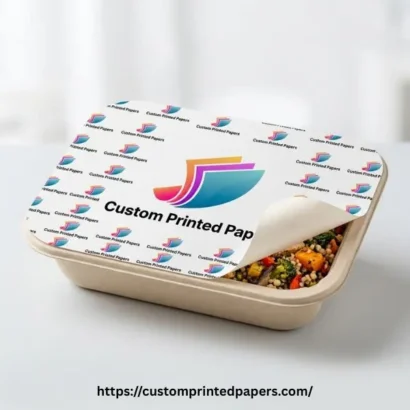
Our peelable lidding paper seals hermetically yet opens by a clean hand peel, ideal for food trays, cups, and portion packs that need an easy-open lid.
Medical & Sterile Heat Seal Paper
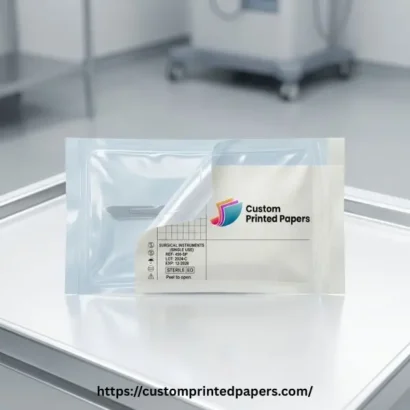
Our medical and sterile heat seal paper is porous, peelable lidstock for sterilisation pouches, allowing steam or gas sterilisation and a clean, sterile peel-open.
Food Tray & Cup Lidding Paper
Our food tray and cup lidding paper seals to PET and PP trays and cups for ready meals, dairy, and portion packs, with peelable or weld options.
Heat Seal Tea Bag & Sachet Paper
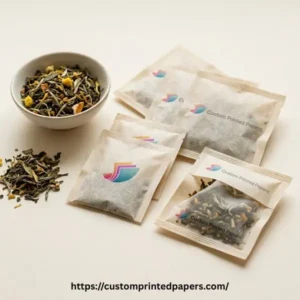
Our heat seal tea bag and sachet paper is wet-strength, heat-sealable filter and sachet paper for tea bags, coffee, and single-dose powders and sticks.
Heat Seal Rolls & Sheets
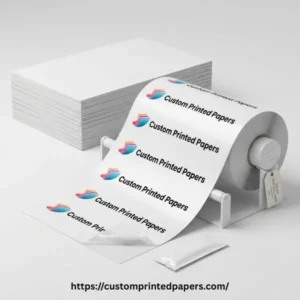
Our heat seal rolls and sheets come die-cut, perforated, or web-wound to fit your sealing machine, in single or double-sided coated grades.
How Do You Heat Seal Paper?
Heat seal paper by placing the coated side against the substrate, applying a heated seal bar at the coating's activation temperature, holding pressure for the set dwell time, then releasing. The bond forms as the coating cools. Always trial your exact temperature, pressure, and dwell before a full run.
- Confirm the coating's activation temperature and your substrate from the spec sheet.
- Position the coated side of the paper against the tray, lid, or facing sheet.
- Set the seal bar to the activation temperature, typically 70 to 160°C.
- Apply pressure, commonly 30 to 100 psi, for the recommended dwell time of 0.3 to 5 seconds.
- Release and let the seal cool to set; test peel strength against your target.
- Run an in-house trial across your line's range before full production.
Who Uses Custom Heat Seal Paper?
Food manufacturers, pharmaceutical and medical-device companies, tea and coffee brands, cosmetics makers, and retail product packers use custom heat seal paper. Food packers seal trays and cups, pharma seals blisters and pouches, and beverage brands seal tea bags and sachets. Each relies on a consistent, tamper-evident seal.
The common thread is a sealed, protected, branded pack made on an automated line. The pharmaceutical and medical sector alone accounts for a large share of demand, because heat-sealed blisters and pouches deliver the barrier, shelf life, and tamper-evidence regulators require. E-commerce has added demand for lightweight, tamper-evident retail packs. In every case, the seal must perform identically across thousands of units.
Custom Printing and Branding on Heat Seal Paper
Custom Printed Papers prints heat seal paper with food-safe inks, in CMYK or Pantone, at 150 to 300 LPI for sharp detail. The print sits on the uncoated face, away from the seal. Lidding and blister cards carry logos, instructions, expiry dates, ingredients, and barcodes, with matte, gloss, or foil finishes.
A sealed pack is a branding surface as well as a barrier. A printed lid or blister card shows the logo, product graphics, and required legal text, expiry, lot, ingredients, dosage, while the seal coating stays on the opposite face so printing never interferes with bonding. High-line-screen printing keeps small text and barcodes crisp, which matters for regulated food and pharma packs.
Is Heat Seal Paper Food-Safe and Recyclable?
Food-grade heat seal paper meets FDA 21 CFR 176.170 for food contact and prints with inks under FDA 21 CFR 175.300. Recyclability depends on the coating: paper-based dispersion and PE coatings are more recyclable, while foil and some polymer coatings are not. PLA and dispersion coatings offer compostable or recyclable options.
There is an honest trade-off between barrier strength and end-of-life, as with all sealed packaging. The strongest moisture and oxygen barriers, foil and certain polymer coatings, recycle poorly, while newer aqueous dispersion and PLA coatings give a recyclable or compostable route with good sealing. Grease and barrier performance come from coatings, not fluorochemicals, so our grades are PFAS-free. We help match the coating to both your seal and your sustainability needs.
How to Order Custom Heat Seal Paper
Order in five steps:
1. Tell us your substrate, seal type, and application. 2. Upload artwork in PDF, AI, EPS, or PNG at 300 DPI minimum. 3. Approve a free digital proof and request a seal sample. 4. Confirm coating, format, and size. 5. Receive your run on a 50-unit MOQ with free shipping in 4 to 6 business days.
Frequently Asked Questions About Custom Heat Seal Paper
What is heat seal paper?
Heat seal paper is paper coated with a heat-activated adhesive that is tack-free until heated. Applying heat and pressure bonds it to a substrate, with no separate glue or tape.
What temperature do you heat seal paper at?
It depends on the coating, but activation temperatures typically run 70 to 160°C, with 30 to 100 psi pressure and 0.3 to 5 seconds dwell. Always trial your exact settings.
What is the difference between peelable and permanent seals?
A peelable seal opens by a clean hand peel; a permanent weld seal tears the fibre before opening. The same coating can do both, tuned by dwell time.
What substrates can heat seal paper bond to?
PET, PP, PVC, PE, aluminium foil, and paper or paperboard. The coating is engineered for a specific substrate, so match it to what you are sealing to.
Is heat seal paper food-safe?
Food grades meet FDA 21 CFR 176.170, print with food-safe inks, and are PFAS-free. Tell us the food type so we match the coating and barrier.
Is heat seal paper recyclable?
It depends on the coating. Paper-based dispersion and PE coatings are more recyclable; foil and some polymers are not. PLA and dispersion options are compostable or recyclable.
Do you supply rolls and sheets to fit my machine?
Yes. We supply web rolls, die-cut, and perforated formats in single or double-sided coated grades, wound and sized to your sealing equipment.
What is the MOQ and turnaround?
Orders start at 50 units, with a free proof and seal sample, printed and shipped in 4 to 6 business days.
Order Your Custom Printed Heat Seal Paper Today
Seal every pack cleanly, consistently, and on-brand, matched to your exact substrate and line. Tell us your substrate, seal type, and application, upload artwork in PDF, AI, EPS, or PNG at 300 DPI minimum, and our team returns a print-ready proof and seal sample. Order now for food-safe, custom heat seal paper on a 50-unit minimum with free shipping in 4 to 6 business days.